Transportation Business Resources

Protecting your cargo and your transportation business is our business. Travelers is dedicated to helping freight brokers, fleet operators and logistics firms reduce preventable losses and costs through our products, vendor alliances and claim processing. We use our transportation experience and science to assist companies with security best practices, proper securement techniques for loading and handling, theft prevention and road safety issues.
Travelers on Freightwaves Podcast
Freightwaves is the leading provider of trucking news, media and analytics for truckers, intermodal and logistic operators. Travelers has recently contributed to the Freightwaves “What the Truck” Podcast series to share insights on topics ranging from choosing the right insurance carrier to commonly overlooked coverages to trends in cargo theft. Give each a listen.
Podcast #62: 2025 Industry Recap
Cargo theft has become a high-stakes, year-round threat across the supply chain. DZ Patterson of Travelers Investigative Services breaks down how strategic theft, reefer delay scams and GPS spoofing are evolving—and what shippers, brokers and carriers can do to stay ahead. Learn why communication, layered security and point-of-shipment verification are critical to protecting cargo along with a company’s brands, and relationships in today’s risk environment.
Aired: 12/17/2025
Paid Content
(DESCRIPTION)
Text: What the Truck? Descartes Macro Point. A list of topics appear to the left of Malcolm. The lowest topic, Supply Chain Layoffs, is highlighted. Headlines scroll across the bottom of the video.
(SPEECH)
MALCOLM: I know we have a jam-packed show, so I don't want to delay any further. Joining me again is someone who is new to the show, DZ Patterson, who leads a team, rather, specializing in cargo theft losses, and Travelers' Investigative Services Division, a warm FreightWaves What the Truck? welcome to you, DZ. How are you, sir?
(DESCRIPTION)
DZ Patterson appears to Malcolm's right in a split screen.
(SPEECH)
DZ PATTERSON: Great, Malcolm. Thanks for having me on today. I'm looking forward to this.
MALCOLM: I'm looking forward to you being here. And thank you so much and the entire team at Travelers for taking some time to be here. We've got a special segment for you all today. It's becoming an annual What the Truck? tradition to wrap up the year with a look back at the trends to see how they played out. So for a good portion of this year, we've been talking about cargo theft and how it's becoming the new normal. What are your thoughts specifically on this, DZ?
(DESCRIPTION)
Cargo Theft in 2025 highlights. Text: DZ Patterson, Director, Travelers Investigative Services.
(SPEECH)
DZ PATTERSON: Well, unfortunately what you said is pretty accurate. If you're a glass-half-full person, then you're looking at things going, hey, the numbers have plateaued. If you're a glass- half-empty person, you're going, yeah, the numbers have plateaued, but it's a brand-new normal, and it's a high normal. We're looking at all the stats that are bearing these things out.
The international theft rings are the ones that seemingly are keeping these numbers high. And going into 2026, we want to look forward to cultivating a culture of hardening your supply chain and the various ways to do that. If we don't do that in the supply chain industry, then business as usual with cargo theft.
MALCOLM: Now, DZ, can you please, for our listeners, explain what you mean by harden the supply chain?
DZ PATTERSON: Yeah, there's some gaps in the supply chain that we see that the thieves are exploiting. And we want to get the folks to teach, and train to this, and live this as a full team sport, everybody up and down the line cooperating together, taking the train and learning the tips, the tricks and whatnot, and really just trying to be on defense all the time.
MALCOLM: So I'm guessing that means that right now, the supply chain may not be working so well. And where's the weakest link you would say, DZ?
DZ PATTERSON: What we see is the weakest link, based on the thefts that we investigate, is the point of shipment. Strategic theft particularly, that's where it takes off at a lot of times. Right. So you need a better culture of security along all those lines. Brokers have to be communicating with the shippers, the manufacturers, the carriers. Everybody's got to be dialed in at that point of shipment or they're going to continue to be exploited by the bad guys. So again, supply chain security needs to be a mindset of everybody up and down that whole chain. Anybody that touches any piece of cargo needs to have that security mindset.
MALCOLM: I know.
DZ PATTERSON: It sounds like common sense to most of us. But what I'm going to say is, once you develop these points to keep the supply chain safe, for goodness' sake, don't put them on
LinkedIn. The bad guys are good at going out and getting all this information that they can to find out what particular entities are doing. And they're going to exploit those if you put your solutions out there on LinkedIn or any other open-source document.
MALCOLM: Thieves are, in fact, no dummies. I mean, you tell them what you're trying to do on these platforms, to your point, they'll just find a workaround. Now, my next question, any advice on how to prevent this breakdown from happening in the first place?
(DESCRIPTION)
Reefer breakdown is highlighted.
(SPEECH)
DZ PATTERSON: Yeah, most of it boils down to, seemingly, just communication. Everybody has got to be talking to each other again. There's some manufacturers out there that are very easy targets right now. And you think about it -- I'll mention dog food, for instance. It's easy to sell. And you wouldn't suspect maybe dog food as being a targeted commodity. But because of what I just said, it's very easy to move.
So we've got to have folks at the point of shipment saying, hey, is ABC Trucking showing up here to pick up this load? Yes, they are. And if anyone else, if any other carrier shows up, no matter what they say, if they're not ABC Trucking, that load is not let go from the point of shipment. And if there's any sort of doubt there, make some phone calls. Verify the information that you got. Just verify who's coming to pick up your stuff at the point of shipment.
(DESCRIPTION)
DZ shrugs.
(SPEECH)
MALCOLM: Now, I want to ask specifically because besides being a colossal monetary loss, strategic theft can also hurt a brand severely in the long run, right?
DZ PATTERSON: Absolutely. If you think about it, and your brand gets picked up, and it gets back into the supply chain through some discounted means, what happens when that piece
goes bad or there's an issue with it? And you think about the sale price of it. The unauthorized folks that are out there selling these things, it's going to damage the brand. It's going to damage relationships between the shippers, the carriers, the brokers. Just that communication piece is a big thing to knock that down to not even an acceptable degree, but just knock it down to zero.
MALCOLM: Let's talk about the reefer breakdown, another scam that we've been hearing about this year. It's been called one of the most clever delay scams in trucking. Can you unpack this for us, DZ?
DZ PATTERSON: Yeah, so it's a very common tactic these days. And you think about how it's done. Shipment is going from point A to point B. The carrier calls in and says, oh, my reefer broke down. They even may go out and get a receipt and buy a part that they said is broken down. That's buying them time. There's time involved in repairing that. There's time getting the part.
If the breakdown has not really happened, then they're miles and miles down the road, while you, as a shipper, may think that they're actually stuck in some location getting that repair done. These guys will even go as far as to take a picture of the receipt, send it in. It looks legit, but we know that it's not. And it cost a lot less money to buy that part for the reefer than what's going to be made on that stolen load of cargo.
MALCOLM: By the time, I mean, of course, this is all figured out the breakdown was a fake, I mean, they're long gone. This buys them enough time to get away with it. This is nuts.
DZ PATTERSON: Absolutely, absolutely.
MALCOLM: So what should shippers, carriers and brokers be doing to counter GPS spoofing specifically?
(DESCRIPTION)
GPS Spoofing is highlighted.
(SPEECH)
DZ PATTERSON: Yeah, GPS spoofing is something we've seen come in vogue as well over the last term. And we're suggesting to these folks, hey, along the route, geofence some spots. The travel time is from point A to point B. Geofence that location. If that location is bypassed, or if they get there in a much quicker fashion than you expected, something may be wrong. There are also other ways to track these things.
And we don't recommend just putting in a single device into the load. Use something else. Get some redundant tracking. Even so far as to say, go with another manufacturer so that you can track these things independently. That independent beacon inside the trailer is going to go a long way to helping you find out where your load is. We think you need to layer your tracking tools. OK, and I know that some folks are content and happy on what they're doing now, but we just want to suggest that one little small step that hopefully will keep the cargo safe and get to its intended destination.
MALCOLM: That's great stuff, DZ. I mean, so as 2020 winds down, we're reminded that we obviously need to still be on alert for strategic theft and an ongoing trend. I imagine that we'll be talking about it heavily as we head into 2026. I want you to be well, man. Be safe. Happy holidays. And you definitely need to make a stop back on What the Truck? in 2026. How do you feel about that?
DZ PATTERSON: Oh, I absolutely would love to do it. And I wish you the same on the holiday stuff. Everybody stay well and stay safe.
MALCOLM: Thank you again. DZ Patterson, director of Travelers' Investigative Services. DZ, thank you again, brother.
Podcast #61: Heavy Equipment Transportation
Transporting heavy equipment safely takes more than logistics—it takes expertise, coordination and commitment. Travelers’ Risk Control specialist Chris Isley shares insights on how careful planning, load securement and regulatory compliance protect people, property and infrastructure. Discover how collaboration between fleets, regulators and insurers keeps even the largest loads moving safely and efficiently across the nation.
Aired: 11/17/25
Paid Content
(DESCRIPTION)
Malcolm Harris sits at a wood table with a Macbook and a microphone in front of him. There is a wood wall behind him with a large screen and several scale model semitrucks hung up. On the screen is text: FreightWaves, What the Truck?
(SPEECH)
MALCOLM HARRIS: And now we're going to transition and go to the source, because I wanted you guys to hear again from the one and only joining me. He is one of the third Isley Brothers that I was told. Chris Isley, he is the risk control specialist at Travelers. Chris, are you one of the Isley Brothers, or was I fed bad information, sir?
(DESCRIPTION)
Chris Isley sits in a home office, a lit-up window and a table with a printer on it behind him.
(SPEECH)
CHRIS ISLEY: Well, I have three brothers, but we don't sing very well.
[LAUGHTER]
MALCOLM HARRIS: Well, it's OK. It's all right. I think you're going to make it up to our audience today, man. How are you doing? Thank you so much for being here for your first time on the show on What the Truck?!?
CHRIS ISLEY: Glad to be here.
MALCOLM HARRIS: I'm glad you're here. Yes, sir. Happy to. Happy to. So you've been in this industry for quite a while, right? And what kind of work have you done over the years? Tell myself as well as our audience a little bit about yourself, Chris.
CHRIS ISLEY: OK. Sure, I was a safety director in a trucking company for about 20 years, overseeing compliance, driver training, load securement. Before that, I was with North Carolina DOT. I was an inspector and a trainer for North Carolina. I inspected loads and verified permits, weights and safety compliance. For the past 10 years, I've been with Travelers, providing heavy equipment protection and conducting risk control surveys in companies.
I'm one of nine national transportation specialists for Travelers across the United States, and our job is to help fleets improve their safety programs, reduce risk and prevent accidents. We work alongside our clients, sharing practical guidance and real-world experience to support the safety efforts, develop their people and help prevent crashes.
MALCOLM HARRIS: Well, that explains why you were definitely the resident expert. I was putting the dots together, and that makes sense, and specifically on today's topic, heavy equipment transportation. So just happy to have you on. And with that, can you start us off with the basics? What does this look like here for this topic we're talking about today?
CHRIS ISLEY: Well, sure. Heavy equipment transportation typically involves flatbeds and lowboy trailers designed for oversized loads or overweight loads. These require compliance with specific FMCSA regulations for load securement. In the simplest terms, it means load securement needs to be in place to prevent cargo from shifting, falling or rolling during transport.
To make sure that compliance terms are met, DOT inspectors are conducted at weigh stations -- I should say inspections are conducted at weigh stations or on roadsides to verify load securement, permits and weight compliance. And keep in mind that oversize load operations can be restricted to specific times, routes, and may require pilot cars or escorts for the vehicles.
MALCOLM HARRIS: That's super helpful. Now, can you walk us through what actually goes into securing these loads and these shipments safely?
CHRIS ISLEY: Of course. So many heavy equipment designers design equipment with tie-downs or anchor points that would help to secure the loads. And some specific pieces of equipment, like excavators, would need buckets and booms tied down separately. Or wheeled or tracked equipment must be blocked or locked to prevent movement. So obviously, size matters on that part.
Equipment under 10,000 pounds requires fewer tie-downs points. Whereas, 10,000 pounds or more you must follow additional securement standards. But the general rule of thumb and best practice is to use more securement than is necessary or required. And that is just the best rule of thumb on that part. If you have more than you need, if something might be damaged or bad, then you'll still be OK.
MALCOLM HARRIS: It's definitely one of those be safer or sorry situations because nobody wants to see a bulldozer when it comes to something falling off or a flatbed absolutely not being secured and going off on the highway. So that makes a lot of sense, and I appreciate you explaining that to our audience that just may not be aware. These are shipments and loads that are going at a very high speed. So thank you. And with that, when we see these massive loads going down the highway, let's just say these just oversized, whether it's a mobile home, bridge beams, those wind turbine blades, what kind of planning and coordination goes in these types of moves?
CHRIS ISLEY: Absolutely, a really good question. Moving oversized or overweight loads isn't as simple as loading up a truck and hitting the road. There's a whole process behind it. First off, permits are required. Some carriers use blanket permits. These permits are issued per state. Each state has their own blanket permit guidelines. For example, North Carolina can offer a blanket permit for up to 90,000 pounds, while South Carolina and Georgia can issue a blanket permit up to 100,000 pounds
Blanket permits are only good in the state that issues it. They may also have other restrictions on permits that must be followed. But when something really pushes the limits or a large load, then they have to, like wind turbines, as you mentioned, or large bridge beams, they'll need a single-trip permit specified to that one move to cover height, length and weight.
Then there are escorts or pilot cars, which are licensed by each state. These are the cars you see running ahead of or behind those large loads. Their job is to help with route navigation, traffic control and height clearance. They make sure that power lines and overpasses isn't too low for the load. Also, oversized moves have to follow a permitted route set by each state's department of transportation. These routes are carefully chosen to make sure that each truck can safely clear bridges, turns and narrow roadways without damaging infrastructure. So what looks like a slow, wide load on the highway is actually a carefully planned operation involving permits, escorts and a lot of coordination with state agencies.
MALCOLM HARRIS: Most definitely, and people just don't understand because people just see it and just think, I'm guessing, just the right permits and having an escort, it's just a small piece of the puzzle. But it's actually larger pieces of the puzzle, to your point that you just mentioned, correct?
CHRIS ISLEY: Yes, it is. You have to have all those things in place and everything work together.
MALCOLM HARRIS: Absolutely. Well, Chris--
CHRIS ISLEY: Moving big loads.
MALCOLM HARRIS: Go ahead. Go ahead.
CHRIS ISLEY: Moving big loads are much more than just logistics. It requires risk management and safety. At Travelers, we take a hands-on approach to heavy equipment protection. We conduct risk control surveys to look at things like driver training, how loads are secured, whether operators are following the federal and state guidelines. I mentioned that I'm only one of nine risk control specialists, and we try to help prevent loss before it happens, both in terms of property damage and more importantly, save lives. We work directly with our customers to educate and provide risk management advice.
When it comes to moving oversize loads, overweight loads, there's a lot more happening behind the scenes than most people realize. Every move is carefully coordinated and involves permits, route planning, escorts to keep our highways safe and infrastructure protected. But it doesn't stop there. At the end of the day, our goal is simply we want drivers to get home safely and equipment to get moved where it needs to go without incident. In the end, it's a partnership between the carriers, the regulators, insurance companies all working together to make sure that the biggest loads move safely and responsibly across the country.
MALCOLM HARRIS: Chris, I could not say it better myself. Thank you so much for being here. Any last words for our audience today listening or any messages that you weren't able to convey that you'd like to share, as well as information for yourself and for your team, where to find you with Travelers?
CHRIS ISLEY: You bet. It was great being here today. Our Travelers teams are available through their account consultants or our specialists. They can all reach out, if you're insured by Travelers, to your account consultants. And they can locate us. And we'll be glad to help any companies that we can, answer questions or hopefully give them the guidance they need to do this successfully.
MALCOLM HARRIS: Mr. Chris Isley, again, risk control specialist at Travelers Transportation. Chris, thank you so much, man. Appreciate it.
CHRIS ISLEY: Yes, sir. Thank you.
MALCOLM HARRIS: Yes, sir. Yes, sir. Again, Chris was absolutely awesome. And Travelers, we have a great partnership with them. And I love to be able to interview folks that come on specifically from them because the knowledge factor and what they know in terms of just protections, whether it's cargo security, whether it's just actually having permits and other things established when it comes to the clients and customers. And super excited to have that partnership with them.
Full Episode List*
2025 Episodes
- Episode #60: Broker Liability Trends – Aired: 10/27/25
- Episode #59: Specialized Commodities: Metals Theft – Aired: 9/22/25
- Episode #58: Driver Wellness and Mental Health – Aired: 8/25/2025
- Episode #57: Straight Theft – Aired: 7/28/2025
- Episode #56: Driver Shortage and Industry Workforce Trends – Aired: 6/23/2025
- Episode #55: Strategic Theft – Aired: 5/19/2025
- Episode #54: Distracted Driving Awareness – Aired: 4/21/2025
- Episode #53: Celebrating Women in Trucking – Aired: 3/31/2025
- Episode #52: Claim Best Practices – Aired: 2/17/2025
- Episode #51: 2025 Industry Predictions – Aired: 1/22/2025
- Episode #50: 2024 Recap and Potential Trends for 2025 – Aired: 12/16/24
- Episode #49: Liability and Claim Trends – Aired: 11/15/24
- Episode #48: Transportation Cyber Risk Management – Aired: 10/21/24
- Episode #47: Challenging Commodities – Aired: 9/16/24
- Episode #46: Managing your Risk Profile – Aired: 8/26/24
- Episode #45: AI in the Transportation Industry – Aired: 7/15/24
- Episode #44: Women in Trucking – Aired: 6/24/24
- Episode #43: Cargo Theft Trends – Aired: 5/31/24
- Episode #42: Distracted Driving – Aired: 4/15/24
- Episode #41: Challenges Facing the Transportation Industry in 2024 – Aired: 3/4/24
- Episode #40: Important Contract Considerations for Freight Brokers – Aired: 1/17/24
- Episode #39: Theft Trends and Technology – Aired: 12/11/23
- Episode #38: Cyber Risk Management in Transportation – Aired: 11/20/23
- Episode #37: Ocean vs. Inland Marine – Aired: 10/17/23
- Episode #36: Challenges with Lithium-Ion Batteries* – Aired: 9/18/23
- Episode #35: Why Contingency Coverage Isn't Enough* – Aired: 8/21/23
- Episode #34: Strategic Theft and Cargo – Aired: 7/17/23
- Episode #33: Problems with Double Brokering – Aired: 6/26/23
- Episode #32: Reefer Problems – Aired: 5/15/23
- Episode #31: Distracted Driving – Aired: 4/17/23
- Episode #30: Claim Trends – Aired: 3/20/23
- Episode #29: Inflation Pressures – Aired: 2/24/23
- Episode #28: 2022 Recap and 2023 Predictions – Aired: 1/23/23
- Episode #27: 2022 Cargo Transport Recap and 2023 Outlook – Aired: 12/12/22
- Episode #26: Double Brokering: Prevention and Protection – Aired: 11/21/22
- Episode #25: Cargo Theft for Christmas – Aired: 10/17/22
- Episode #24: Coverage Solutions for Supply Chain Risks – Aired: 9/19/22
- Episode #23: Technology Theft – Aired: 8/15/22
- Episode #22: Transportation of Difficult Commodities – Aired: 7/18/22
- Episode #21: 2022 Cargo Transportation Trends Recap and Predictions – Aired: 6/29/22
- Episode #20: Carrier Claims Considerations – Aired: 5/16/22
- Episode #19: Truck Fires – Aired: 4/18/22
- Episode #18: 2021 Theft Summary and 2022 Predictions – Aired: 3/21/22
- Episode #17: Food Shipments and Seal Integrity – Aired: 2/28/22
- Episode #16: Reefer Shipments and Temperature Control – Aired: 1/24/22
- Episode #15: Carrier Vetting for Cargo Theft – Aired: 12/1/21
- Episode #14: Understanding Contractual Risk Transfer – Aired: 10/18/21
- Episode #13: How to Guard Against Large Losses in Transportation – Aired: 9/20/21
- Episode #12: Crash Avoidance Technologies for Transportation Companies – Aired: 8/16/21
- Episode #11: Shifting Cargo theft trends through 2020 and the first half of 2021 – Aired: 7/12/21
- Episode #10: Cyber Risk Prevention for Transportation Companies – Aired: 3/9/21
- Episode #9: Best Practices for Vetting Motor Carriers – Aired: 2/8/21
- Episode #8: Liability Risks Facing Freight Brokers and Ways to Avoid Them – Aired: 1/11/21
- Episode #7: Understanding Holiday Cargo Theft Trends – Aired: 12/11/20
- Episode #6: Common losses facing transportation businesses and risk management solutions to help combat them – Aired: 11/09/20
- Episode #5: Cargo theft highlights for 2020, and prevention and recovery strategies that can help mitigate loss – Aired: 10/19/20
- Episode #4: Claim considerations for transportation companies – Aired: 9/18/20
- Episode #3: Key cargo theft considerations for transportation companies – Aired: 8/10/20
- Episode #2: Key insurance coverages for transportation companies – Aired: 7/13/20
- Episode #1: What to look for when selecting a cargo insurance carrier – Aired: 6/22/20
*This material does not amend, or otherwise affect, the provisions or coverages of any insurance policy or bond issued by Travelers. It is not a representation that coverage does or does not exist for any particular claim or loss under any such policy or bond. Coverage depends on the facts and circumstances involved in the claim or loss, all applicable policy or bond provisions, and any applicable law. Availability of coverage referenced in this document can depend on underwriting qualifications and state regulations.
Transportation Business Resources
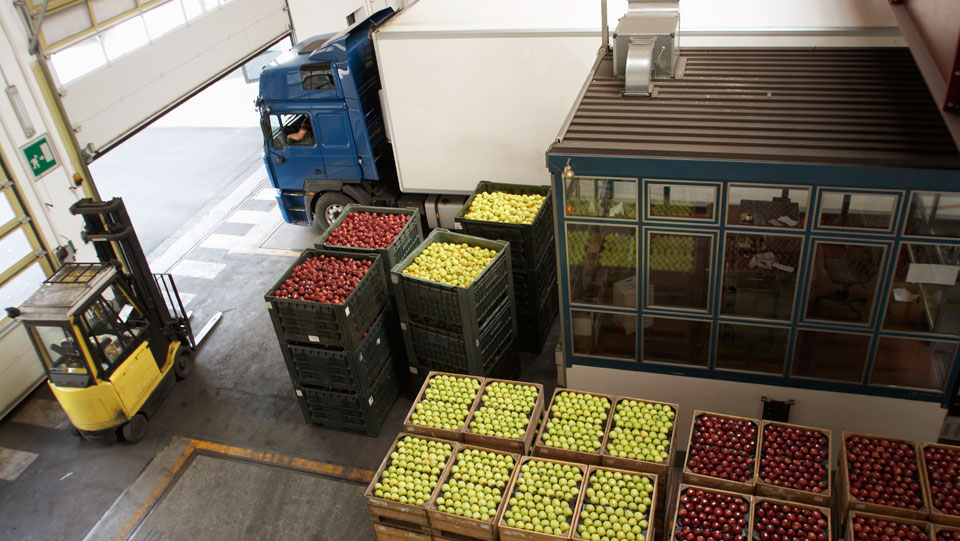
4 Best Practices for Navigating FSMA Compliance
Transportation Business Resources
Cargo Theft: The What, How, Where and When

Transportation Business Resources
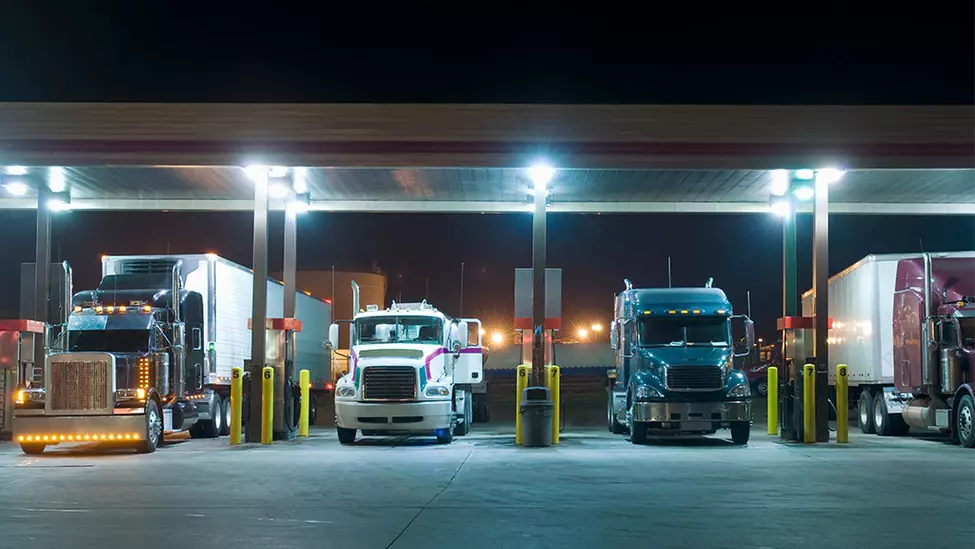
Cargo Theft and Broken Seals Can Be Costly to Transportation Businesses
Transportation Business Resources
Transportation IoT: Opportunities and Risks
Transportation Business Resources
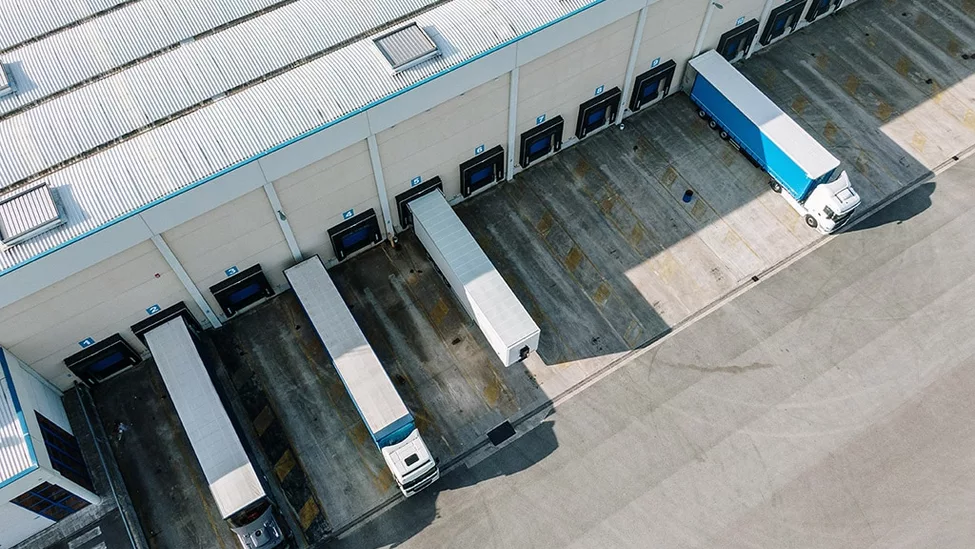
4 Ways Domestic Freight Brokers Can Avoid Unexpected Liability Claims
Transportation Business Resources
Managing Your Risks When Hiring Subhaulers
Transportation Business Resources
Cargo and Identity Theft: Early Reporting Can Help Minimize Loss

More Transportation Resources
Supply Chain Risk Management Resources
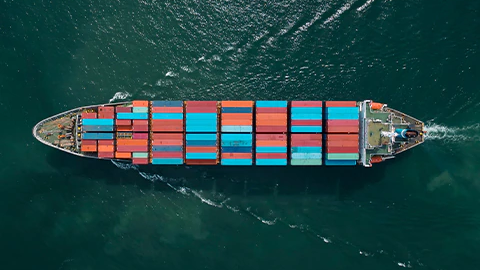
Life of a Piece of Cargo
There’s a lot that can happen to cargo on its journey. Protecting yourself from these cargo-related risks is key to protecting your supply chain.
Supply Chain Risk Management Resources
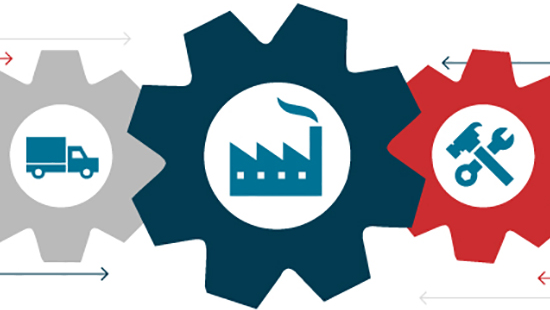
Supply Chain Management Tips
Your business may be held liable for every step in your supply chain. Get tips on effective supply chain management with this infographic from Travelers.
Supply Chain Risk Management Resources
The Evolution of the Freight Broker Model Brings New Risks
A new business model in the freight broker industry brings new risks as well as opportunities.
Driver & Fleet Safety
Vehicle Telematics Program Guidelines
Having a discussion with drivers can help vehicle telematics become accepted in your business.

Supply Chain Risk Management Resources
4 Ways Freight Brokers Can Help Prevent Cargo Theft
Here are some ways that freight brokers can help prevent cargo theft, including contractual risk transfer, properly vetting carriers and recognizing potential cargo theft schemes.

Supply Chain Risk Management Resources
5 Cargo Theft Tactics and How to Help Prevent Them
Cargo theft comes in many forms, from fictitious pickups to misdirected loads. Learn cargo theft types and tips for cargo theft prevention.

Driver & Fleet Safety
8 Elements of a Fleet Safety Program
A formal fleet safety program can help maximize fleet efficiency, enhance safety and more.

Supply Chain Risk Management Resources
Protecting Your Cargo in Transit
Taking steps to protect cargo can help prevent business interruptions. Learn about inspecting, securing and receiving cargo.

Related products & services
Transportation insurance
From vehicles to cargo, Travelers can help you find the right transportation coverage for today’s unique risks. A leader in insuring commercial vehicles, we provide a broad range of affordable commercial insurance coverages to help auto and trucking customers protect their business.
Special Investigations Group
Our Special Investigations Group is dedicated to theft protection and recovery, guiding clients through the adoption of procedures that harden their operations against criminal activity and assisting law enforcement on the recovery of stolen goods.